Digital Campaign Strategy for 2027 Elections: Winning in the Digital Age
Comprehensive guide to running effective digital campaigns for the 2027 Kenya elections, covering social media strategy, digital advertising, data analytics, and voter engagement.
Introduction
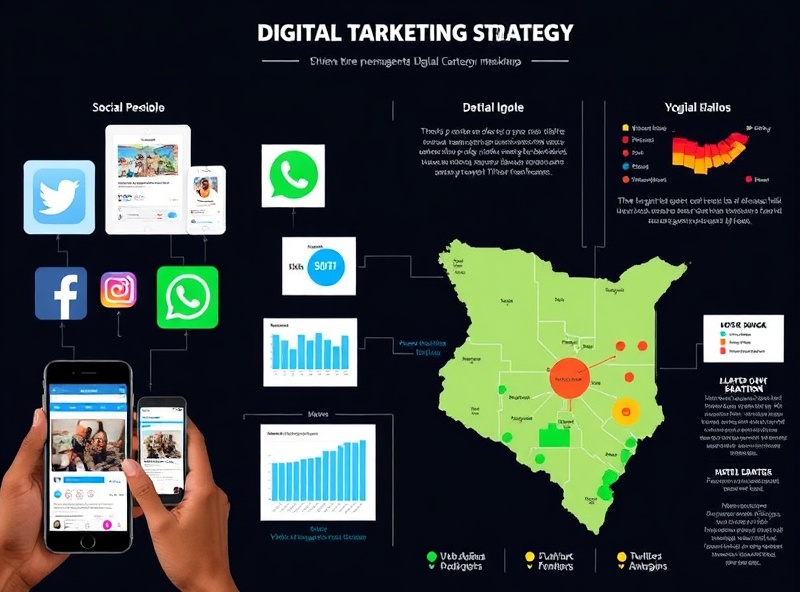
The 2027 Kenya elections will be shaped by digital technology more than ever before. Voters are increasingly engaged on social media platforms, digital advertising reaches targeted audiences with unprecedented precision, and data analytics enables micro-targeted messaging. Successful campaigns in 2027 will integrate sophisticated digital strategy with traditional grassroots operations. This guide outlines the digital campaign playbook for winning in 2027.
1. The Digital Voter Landscape in Kenya 2027
Platform Distribution and Reach
Primary platforms by user base:
- Facebook: 11M+ users, highest reach among older voters and women
- WhatsApp: 7M+ users, dominant messaging and community coordination platform
- TikTok: 3M+ users, rapidly growing with youth 16-30 audience
- Instagram: 2.5M+ users, engaged younger demographic
- Twitter/X: 1.2M+ users, influencers, journalists, opinion leaders
- YouTube: 14M+ users, dominant video platform
Strategic platform focus:
- Facebook for broad reach and voter targeting
- WhatsApp for community mobilization and direct engagement
- TikTok for youth voter engagement
- Twitter for influencer and media engagement
- YouTube for long-form video content and ads
Voter Digital Behavior
2027 voter digital habits:
- 65% of urban voters use social media daily
- 45% of rural voters have smartphones with social media access
- WhatsApp groups are primary information source in rural communities
- YouTube is major source for political commentary and debates
- Video content drives significantly higher engagement than text
2. Building Your Digital Campaign Infrastructure
Digital Team Structure
Essential roles:
- Digital Strategy Director (oversee all digital operations)
- Social Media Manager (daily platform management and engagement)
- Digital Advertising Manager (paid media and analytics)
- Content Creator/Video Producer (video and creative content)
- Data Analytics Specialist (measurement and optimization)
- Community Manager (WhatsApp and messaging app coordination)
Technology Stack and Tools
Essential platforms:
- Facebook Business Manager for ad management and analytics
- Hootsuite or Buffer for social media scheduling and monitoring
- Google Analytics for website traffic and conversion tracking
- HubSpot or similar CRM for voter database management
- Mailchimp for email campaigns
- Canva or Adobe for quick creative production
Budget Allocation for Digital
Typical digital budget breakdown:
- 40% Paid social media advertising
- 30% Content creation (video, graphics, copywriting)
- 15% Tools and technology subscriptions
- 10% Community management and monitoring
- 5% Training and professional development
3. Social Media Strategy by Platform
Facebook Campaign Strategy
Primary objectives:
- Build supporter community pages with engaged followers
- Run micro-targeted ads to persuade swing voters
- Drive event attendance and volunteer recruitment
- Amplify paid content through organic shares
Tactical approach:
- Create candidate page with daily updates and stories
- Post 2-3 times daily with mix of campaign updates, policy content, community engagement
- Host live Q&A sessions to build direct voter connection
- Use Facebook Events to promote campaign rallies and community meetings
- Run carousel ads showing policy platforms
- Target voters by location, age, interests, behaviors
Performance targets:
- Reach 500K+ voters with campaign content
- Achieve 2-3% engagement rate on organic posts
- Convert 5-10% of engaged users to volunteer or donor relationships
WhatsApp Strategy
Community-based coordination:
- Create WhatsApp groups by constituency/ward
- Share daily updates, event information, voter talking points
- Organize volunteer coordination and rapid response
- Send voter reminders and GOTV messages in final days
Best practices:
- Maintain groups of 256 members or fewer for engagement
- Designate group leaders and administrators
- Keep messaging concise and action-oriented
- Respect opt-in preferences and compliance rules
TikTok and Emerging Platforms
Youth engagement strategy:
- Create 15-30 second clips highlighting candidate and campaign
- Use trending sounds and effects for authenticity
- Show behind-the-scenes campaign moments
- Host TikTok challenges encouraging voter participation
- Partner with popular TikTok creators for endorsements
Content themes:
- Why I’m voting for [candidate]
- Policy explainers in under 60 seconds
- Campaign event highlights
- Candidate accessibility and relatability
- Youth-focused policy initiatives
Twitter/X for Influencer Engagement
Key approach:
- Engage journalists, influencers, and opinion leaders
- Share real-time updates from campaign events
- Respond to national political conversations
- Build narrative around campaign momentum
- Partner with popular accounts for reach
4. Digital Advertising and Paid Media
Facebook Ads Strategy
Voter targeting segments:
Persuasion ads:
- Target swing voters with policy-focused messaging
- Use lookalike audiences based on supporter base
- Geographic targeting to specific constituencies
- Age and interest-based targeting
Base mobilization ads:
- Target likely supporters with get-out-to-vote messaging
- Promote campaign events and rallies
- Encourage volunteer sign-ups
- Drive petition signatures and email signups
Opposition definition ads:
- Highlight opponent weaknesses and vulnerabilities
- Fact-check false claims
- Position candidate as better alternative
Ad creative best practices:
- Use video ads (30-60 seconds) for highest engagement
- Include clear call-to-action buttons
- A/B test different messaging and creative variations
- Use candidate testimonials and user-generated content
- Ensure mobile optimization (90% of users on mobile)
Google Ads Strategy
Search ads:
- Bid on candidate name and campaign keywords
- Capture voters actively searching for political information
- Direct to campaign website and volunteer sign-up
YouTube advertising:
- Pre-roll ads on political content and news videos
- Reach voters watching election coverage and debates
- Longer-form ads telling candidate story
Programmatic Display Advertising
- Retarget website visitors with campaign messaging
- Reach users across news and information websites
- Build awareness through impression-based advertising
5. Content Strategy and Production
Content Calendar and Planning
Seasonal content themes:
- Launch phase: Candidate introduction and platform presentation
- Mid-campaign: Policy explainers and policy wins
- Final weeks: GOTV messaging and urgency
- Election day: Real-time updates and voting reminders
Daily content mix:
- 40% Policy and platform content
- 30% Campaign momentum and event coverage
- 20% Community engagement and user-generated content
- 10% Candidate personal/relatability content
Video Content Production
Essential video types:
- 60-90 second candidate introduction video
- 30-second policy explainer videos (1 per major policy area)
- 15-30 second social media clips for platform distribution
- Long-form interviews and town hall content for YouTube
- Live stream coverage of major campaign events
- Testimonial videos from community members
Production quality:
- Professional production for paid ads and main videos
- Authentic/less polished for social media and behind-the-scenes
- Mobile-first production (vertical video for mobile viewing)
Written Content Strategy
Blog and website content:
- Policy position papers and detailed platforms
- Q&A addressing voter concerns
- Campaign impact stories and voter testimonials
- Constituency-specific content and regional focus
6. Voter Targeting and Micro-Segmentation
Building Voter Segments
Key segments for digital targeting:
Swing voters:
- Independent/unaffiliated voters
- Cross-voting patterns in previous elections
- Geographic swing constituencies
- Message: Policy competence and leadership
Base voters:
- Historically aligned voters
- High likelihood supporters
- Message: GOTV and turnout activation
Persuadable voters:
- Disillusioned opposition voters
- First-time/new voters
- Age and issue-specific subgroups
- Message: Direct opposition contrast or fresh approach
Community-based segments:
- Women voters
- Youth voters
- Business community
- Agricultural sector
- Urban working class
Dynamic Micro-Targeting
- Update voter segments weekly based on new data
- Adjust messaging based on segment response rates
- Create lookalike audiences from high-engagement supporters
- Use predictive modeling to identify persuadable voters
7. Measurement, Analytics, and Optimization
Key Performance Indicators (KPIs)
Awareness metrics:
- Reach: Number of unique voters exposed to campaign content
- Impressions: Total number of content views
- Brand awareness lift: Pre/post campaign polling
Engagement metrics:
- Engagement rate: Likes, comments, shares per post
- Click-through rate: Campaign traffic from digital ads
- Video completion rate: % of video watched
Conversion metrics:
- Volunteer sign-ups: New digital channel recruits
- Donor acquisition: New online donors
- Event attendance: Digital-driven attendees
- Social follows: Follower growth rate
Performance targets:
- Reach 2M+ voters with digital content
- Achieve 1.5M+ impressions monthly
- Convert 0.5-1% of reached voters to volunteers
- Drive 100K+ website visits during campaign
Analytics Tools and Reporting
- Weekly dashboard tracking KPIs across all platforms
- Daily monitoring of ad performance and spend
- Real-time alerts for viral content or trending topics
- Post-election analysis of digital campaign effectiveness
Continuous Optimization
- A/B test ad creative, messaging, and targeting weekly
- Pause underperforming ads and scale high-performers
- Adjust messaging based on engagement data
- Reallocate budget to best-performing channels and audiences
8. Crisis Management and Rapid Response
Monitoring and Listening
- Daily monitoring of social media mentions
- Track hashtags, candidate name, and campaign keywords
- Identify misinformation and false claims immediately
- Monitor opposition campaign activity and attacks
Rapid Response Protocol
- Rapid response team meets daily during campaign
- Fact-check false claims within 2 hours of posting
- Craft response messaging aligned with campaign narrative
- Deploy response content across all platforms simultaneously
- Coordinate with mainstream media for coverage
9. Compliance and Responsible Digital Marketing
Electoral Compliance
- Maintain compliance with IEBC digital campaign regulations
- Disclose paid political content appropriately
- Avoid voter suppression or misleading electoral information
- Maintain records of paid political advertising
Platform Community Standards
- Avoid hate speech, violence, or discriminatory content
- Respect platform political advertising policies
- Respond professionally to criticism and negative comments
- Maintain candidate and campaign brand safety
Best Practices for 2027 Digital Success
- Data-driven everything - Use analytics to guide strategy, not instinct
- Mobile-first approach - 90% of voters access content on mobile
- Authentic engagement - Build genuine community, not just broadcast ads
- Video-first content - Video drives highest engagement rates
- Platform-specific strategy - Different platforms require different tactics
- Speed and agility - Digital allows real-time optimization and response
- Integrate with field ops - Digital and grassroots must work together
- Invest in quality - Production quality and creative excellence matter
- Measure everything - Only what you measure can you optimize
Conclusion
Digital campaigning in 2027 requires sophisticated infrastructure, creative excellence, data-driven targeting, and real-time optimization. The candidates and campaigns that leverage digital channels effectively—while maintaining authentic community engagement and message discipline—will have significant advantage in voter outreach and persuasion.
The strategic framework outlined here provides the foundation for building a modern, effective digital campaign for 2027. Adapt to your specific constituency and candidate positioning, but the underlying principles of data-driven strategy, platform-specific tactics, and continuous optimization will remain essential for digital campaign success.
About the Author
Campaignmaster Team is part of the Campaignmaster team dedicated to helping campaigns succeed in Kenya's competitive political environment.
← Back to all articlesReady to Apply These Insights?
Let's discuss how Campaignmaster OS can help you implement these strategies for your campaign.