Election Day Command Center Guide: Managing Real-Time Campaign Operations
Comprehensive guide to establishing and operating an effective election day command center for coordinating field operations, monitoring results, and making real-time decisions.
Introduction
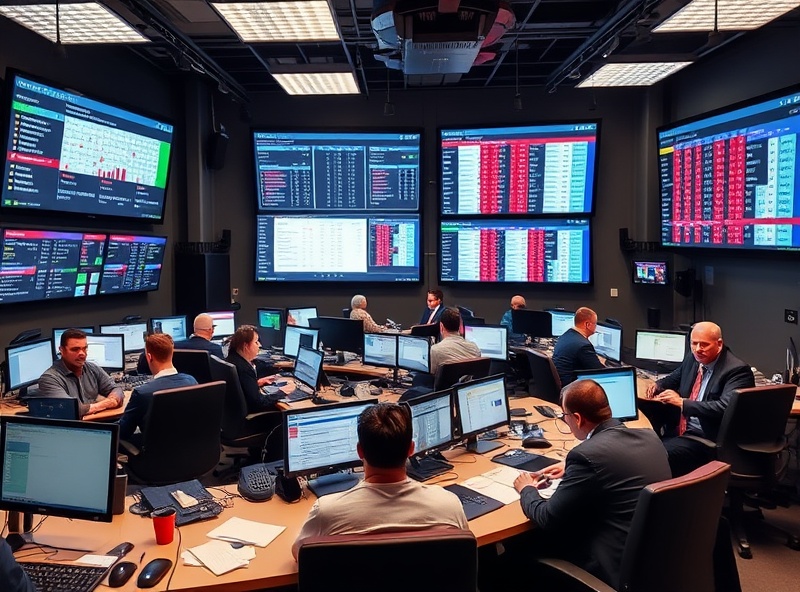
Election day command centers are the nerve center of modern campaigns. They coordinate field operations, monitor real-time results, identify emerging issues, and enable rapid decision-making. A well-organized command center can identify problems early, respond quickly, and maximize late-breaking opportunities. This guide outlines how to establish and operate an effective election day command center.
1. Command Center Location and Physical Setup
Location Selection
Command center location criteria:
- Centrally located for communication with field teams
- Proximity to candidate and senior campaign leadership
- Access to internet and reliable power supply
- Secure and confidential (avoid public visibility)
- Sufficient space for team and equipment
- Good cell phone and communication reception
Typical locations:
- Campaign headquarters if secure and appropriate
- Hotel conference room or suite
- Private office building or event venue
- Temporary facility set up specifically for election day
Physical Infrastructure
Technology requirements:
- Multiple computers and monitors for data displays
- Multiple phones and internet connections (redundancy)
- Large screen displays for real-time results and dashboards
- Secure and reliable WiFi network
- Backup power supply (generator or UPS)
- Recording capability for documentation
Workspace organization:
- Separate areas for different functional teams
- Results data entry station
- Analytics and forecasting station
- Communications and media response area
- Candidate and leadership area for decision-making
- Food and beverage support area
Communication infrastructure:
- Phone lines (land lines and cell phones)
- WhatsApp and messaging app groups
- Email systems
- Walkie-talkies for internal communication
- Backup communication methods
2. Command Center Team Structure
Key Leadership Roles
Campaign Manager
- Overall authority and decision-making
- Final approval on major decisions and responses
- Representative to candidate and senior leadership
- Accountability for campaign performance
Political Director
- Field operations oversight and coordination
- Strategic decisions on resource allocation
- Liaison with constituency coordinators
- Responsible for voter contact operations
Analytics Director
- Real-time data analysis and forecasting
- Results monitoring and calculations
- Scenario modeling for different outcomes
- Preparation of projections and assessments
Communications Director
- Media inquiries and rapid response
- Candidate messaging and talking points
- Social media and digital response
- Public communications strategy
Finance and Compliance Director
- Campaign finance compliance
- Legal issues and regulatory compliance
- Documentation and record-keeping
- Election observation compliance
Operational Teams
Results and data entry team (8-10 people):
- Monitors incoming results from field
- Data entry and verification
- Results aggregation and calculation
- Results distribution to analytics team
Field coordination team (10-15 people):
- Monitors field team performance
- Coordinates with constituency teams
- Receives issue reports from field
- Escalates problems to leadership
- Deploys resources to field as needed
Analytics and forecasting team (5-8 people):
- Real-time result analysis
- Vote share calculations and forecasting
- Scenario modeling
- Trend identification
- Competitor forecasting
Communications and media team (5-10 people):
- Monitors media coverage and inquiries
- Develops rapid response messaging
- Manages social media
- Prepares statements for different outcomes
- Coordinates media briefings
3. Pre-Election Day Preparation
Data Systems Setup
Election results system:
- Establish clear data entry protocols
- Create standardized data entry forms
- Set up real-time results aggregation
- Establish data verification procedures
- Test system with dummy data
Polling place monitoring:
- Map all polling stations in constituency
- Assign observers to stations
- Establish observer check-in procedures
- Create observer communication protocols
- Set up observer reporting system
Volunteer and staff coordination:
- Assign roles and responsibilities
- Brief all staff on protocols
- Establish communication procedures
- Create escalation procedures
- Plan meal and rest schedules
Communications Infrastructure
Internal communication systems:
- Test all phone lines and connections
- Set up WhatsApp groups for coordination
- Establish radio/walkie-talkie frequencies
- Create backup communication methods
- Brief all team members on procedures
External communication:
- Prepare media contact list
- Set up media communication channels
- Prepare candidate schedule and availability
- Establish media briefing procedures
- Create contingency communication plans
Strategic Preparation
Scenario planning:
- Model different possible outcomes
- Prepare messaging for each scenario
- Prepare legal response procedures for disputes
- Develop contingency operational plans
- Brief leadership on scenarios
Pre-written statements:
- Victory statement
- Close race statement
- Likely loss scenario statement
- Disputed result statement
- Media holding statements
Legal preparation:
- Identify legal issues and procedures
- Prepare legal team and counsel
- Brief legal team on procedures
- Identify supporting documentation
- Prepare for potential disputes
4. Election Day Operations Timeline
Pre-dawn Operations (3am-6am)
Command center activation:
- All staff arrive and set up positions
- Test all communication systems
- Confirm all team assignments
- Brief all staff on day’s procedures
- Distribute observer check-in materials
Field team deployment:
- Poll observers depart for assigned stations
- Voter transport teams mobilize
- Communications with all teams established
- Equipment and materials confirmed
- Final briefing and marching orders
Opening of Polls (6am-8am)
Polling place verification:
- Poll observers verify polling stations are open
- Check equipment and materials
- Report any irregularities or issues
- Confirm opening procedures followed
- Begin real-time reporting
Command center monitoring:
- Begin receiving observer reports
- Monitor for any opening day issues
- Stand by to respond to problems
- Track voter turnout indicators
- Brief leadership on early signs
Mid-Day Operations (8am-3pm)
Ongoing monitoring:
- Continuous observer reporting
- Real-time issue identification and response
- Mid-day voter turnout assessment
- Voter transport operations
- Media monitoring and response
GOTV push:
- Activate voter mobilization push
- Phone banks reminding people to vote
- SMS and WhatsApp reminders
- Social media Get Out The Vote push
- Volunteer door-knock reminders
Late Afternoon Operations (3pm-6pm)
Closing preparation:
- Brief poll observers on closing procedures
- Prepare for results collection
- Activate results data entry team
- Set up real-time results display
- Brief leadership on expected timing
Early results reporting:
- Begin receiving precinct-level results
- Real-time data entry and verification
- Early trend identification
- Candidate and leadership briefings
- Media inquiries begin
5. Real-Time Results Monitoring and Analysis
Results Collection Process
Observer reporting:
- Observers at each polling station record official results
- Results sent to command center via WhatsApp/phone/radio
- Data entry team verifies and enters results
- Quality control check for accuracy
- Results aggregated into running totals
Results verification:
- Check reported numbers for obvious errors
- Compare with previous elections and expectations
- Identify unusual patterns requiring follow-up
- Contact polling station observers if discrepancies
- Verify against official IEBC announcements
Real-Time Analysis and Forecasting
Vote share calculation:
- Calculate current vote share by candidate
- Calculate margin (votes ahead/behind)
- Calculate remaining votes to be counted
- Project final outcome based on remaining votes
- Update projections as new results arrive
Trend analysis:
- Identify performance by constituency and region
- Compare to previous elections
- Identify over/under-performance
- Assess competitive positioning
- Forecast final outcome with confidence intervals
Scenario modeling:
- Model different possible final outcomes
- Calculate probabilities based on current data
- Assess competitiveness in different scenarios
- Recommend strategy adjustments based on scenarios
- Prepare leadership for different possibilities
Real-Time Displays and Communication
Leadership briefings:
- Hourly updates to candidate and senior staff
- Visual displays of vote share, margin, trend
- Analysis of competitive positioning
- Scenario assessments
- Strategic recommendations
Media inquiries:
- Monitor media requests for statements
- Prepare rapid response based on current data
- Issue statements as appropriate
- Prepare for different outcome scenarios
- Coordinate with candidate on media access
Public communications:
- Social media updates on campaign progress
- Messaging aligned with real-time position
- Supporter and volunteer communication
- Transparency on observed issues or concerns
6. Issue Identification and Rapid Response
Monitoring for Problems
Field-level issues:
- Voter intimidation or violence
- Polling place irregularities
- Equipment failures or issues
- Observer access or safety concerns
- Voter suppression attempts
Systemic issues:
- Unusually high or low turnout
- Results inconsistent with expectations
- Patterns suggesting fraud or manipulation
- Media coverage issues
- Opponent attacks or claims
Issue Escalation and Response
Issue reporting protocol:
- Field teams report issues to command center
- Issue documented with time, location, details
- Assessment of severity and scope
- Categorization by issue type
- Escalation to appropriate response team
Rapid response procedures:
- Legal team reviews potential legal issues
- Communications team prepares response
- Field deployment team addresses field-level problems
- Leadership makes decisions on major issues
- Public communication if appropriate
Documentation:
- Record all issues with supporting evidence
- Document response actions taken
- Maintain timeline of events
- Prepare documentation for potential disputes
- Archive for post-election analysis
7. Contingency Planning
Common Election Day Issues
Equipment or procedural failures:
- Polling place equipment not working
- Observers not admitted to polling places
- Results reporting system failures
- Communication breakdowns
- Staff no-shows
Election irregularities:
- Voter intimidation or violence
- Irregular polling procedures
- Results that appear incorrect or suspicious
- Candidate or observer harassment
- Media or observer access issues
Campaign contingencies:
- Candidate accessibility issues
- Senior staff unavailability
- Communication system failures
- Results reporting delays
- Competitor claims or attacks
Contingency Response Procedures
Equipment failures:
- Backup systems and procedures
- Alternative reporting channels
- Rapid notification to leadership
- Adapt operations as needed
- Document issue and resolution
Operational challenges:
- Flexible staffing and role adjustment
- Activation of backup procedures
- Rapid decision-making authority
- Clear escalation procedures
- Contingency communication plans
8. Post-Election Analysis and Reporting
Results Verification
Results quality assurance:
- Cross-verify results with official announcements
- Investigate discrepancies from expectations
- Document final results by polling station
- Compare to polling data
- Conduct audits of data entry and calculation
Post-election analysis:
- Calculate final vote share and margin
- Analyze performance by constituency and demographic
- Compare to pre-election forecasts
- Identify factors affecting performance
- Document lessons learned
Documentation and Records
Maintain comprehensive records:
- All observer reports and field issues
- Results data and calculations
- Communications and decisions
- Issue documentation and response
- Media coverage and statements
- Post-election analysis
Archive for future reference:
- Store records securely
- Organize for easy retrieval
- Document data sources and methodology
- Prepare summary analysis
- Share lessons learned with future campaigns
Best Practices for Command Center Success
- Preparation - Thoroughly prepare and test systems before election day
- Communication - Maintain clear communication with all teams
- Real-time data - Base decisions on actual data, not assumptions
- Rapid response - Identify issues quickly and respond rapidly
- Leadership alignment - Ensure leadership understands data and options
- Documentation - Record everything for analysis and potential disputes
- Flexibility - Adapt to changing circumstances and new information
- Professional team - Use experienced, trained professionals
Conclusion
An effective election day command center requires careful preparation, reliable infrastructure, experienced personnel, and clear procedures. The campaigns that excel at real-time coordination, issue identification, and rapid response are best positioned to handle election day challenges and make the most of late-breaking opportunities. The framework and procedures outlined here provide the foundation for building a professional, effective command center for any election campaign.
About the Author
Campaignmaster Team is part of the Campaignmaster team dedicated to helping campaigns succeed in Kenya's competitive political environment.
← Back to all articlesReady to Apply These Insights?
Let's discuss how Campaignmaster OS can help you implement these strategies for your campaign.